
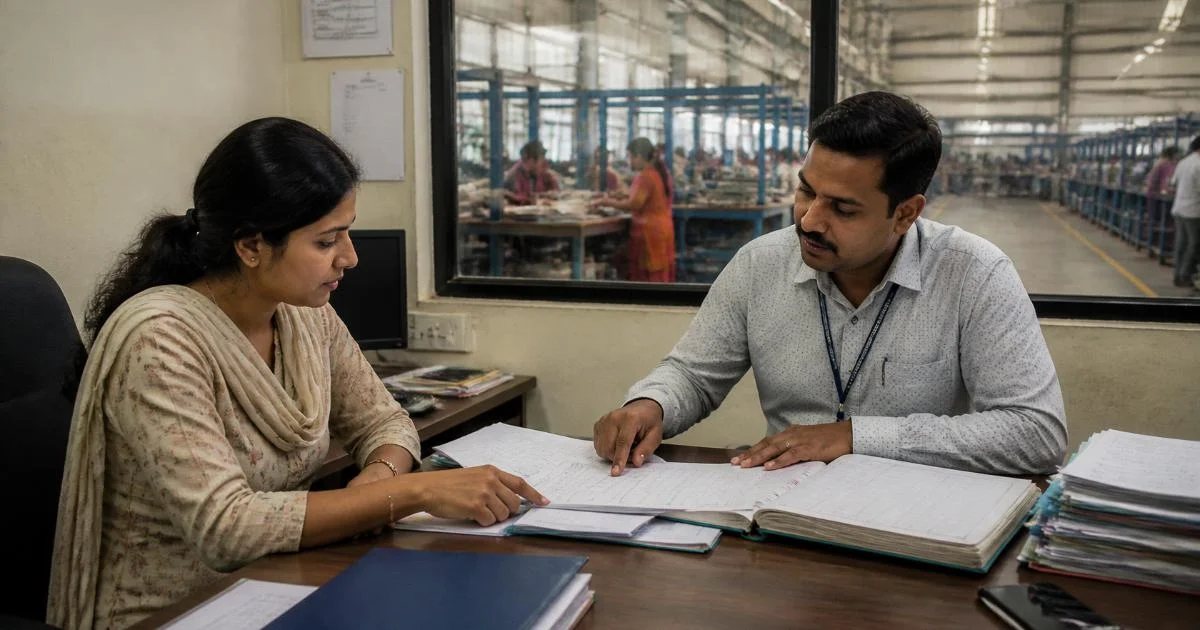
Labour inspections, PF and ESI audits and employee disputes all come down to one question: can the employer show the records? For small businesses in Rajasthan, keeping the right registers is less about paperwork and more about being able to prove that wages, hours and benefits were handled correctly. This checklist covers the records most SMEs should maintain.
1. Which laws apply to you
India has consolidated many central labour laws into four Labour Codes: the Code on Wages, the Industrial Relations Code, the Code on Social Security and the Occupational Safety, Health and Working Conditions Code. The detailed forms and registers are prescribed by rules made by the central and state governments, and many now allow combined or electronic registers. Shops and offices in Rajasthan are also covered by the state’s shops and establishments law. Because forms and transition dates differ, always check the rules currently notified for your type of establishment.
2. Employee and attendance records
- Register of employees with personal details, date of joining, designation and exit date
- Appointment letters and any changes in terms
- Attendance or muster roll, including contract and temporary workers
- Records of working hours, weekly offs, overtime and night shifts
- Leave records, including earned, sick and maternity leave
3. Wage records
- Register of wages showing earnings, allowances, deductions and net pay
- Wage slips issued to employees
- Records of fines, deductions for damage or loss, and advances, where these are allowed
- Bonus calculation and payment records, where the bonus law applies
- Proof of payment, preferably through bank transfer

4. Social security and safety records
- PF and ESI registration, monthly returns and payment challans
- Nomination forms for PF, ESI and gratuity
- Register of accidents and dangerous occurrences, and first-aid records
- Records of safety training, medical examinations and equipment checks in factories
- Contractor records: licence where required, list of contract workers and proof that their wages and PF or ESI were paid
5. Notices to display
Most labour laws require certain information to be displayed at the workplace, such as working hours, weekly holiday, wage period and date of payment, and the names of grievance or internal committee members. Keep the notice board updated in English and Hindi so workers can read it.
6. Make record-keeping easy
- Use one HR and payroll system so registers are generated from the same data
- Keep scanned copies of signed documents in a secure, backed-up folder
- Retain records for the period required under the applicable rules, and do not destroy them while a dispute or inspection is pending
- Review registers monthly and do a full compliance check each year
An integrated system such as ATTPL HRMS can maintain attendance, leave and payroll records in one place, while ATTPL IT Solutions can set up secure backup for the documents. See also our employee onboarding checklist, the POSH Act Internal Committee guide and the business registration and licence checklist for Jaipur.
Frequently asked questions
Can registers be kept electronically?
Many current rules allow registers to be maintained electronically, provided they can be produced when an inspector asks. Check the specific rules for your establishment.
Do contract workers appear in my records?
Yes. As the principal employer you should keep records of contract workers and make sure the contractor pays their wages and statutory dues.
Where can I check central labour compliance online?
The Shram Suvidha portal of the Ministry of Labour and Employment provides registrations, returns and inspection information for central laws.
Need help setting up HR records for your business? Contact ATTPL HOLDCO.
Sources
- Ministry of Labour and Employment
- Shram Suvidha Portal
- Labour Department, Government of Rajasthan
- EPFO
- ESIC
This article is general information, not legal advice. Labour rules and forms change; please check the official sources and consult a qualified professional.