

Rodents, cockroaches, termites and flies damage stock and property, spread disease and can cause failed inspections. For hotels, restaurants, warehouses and offices, pest control should be a planned programme, not an emergency call after a problem appears.
1. Use integrated pest management (IPM)
- Prevent entry: seal gaps, fit door sweeps and mesh, repair drains.
- Remove food and shelter: good housekeeping, covered bins, clutter-free storage.
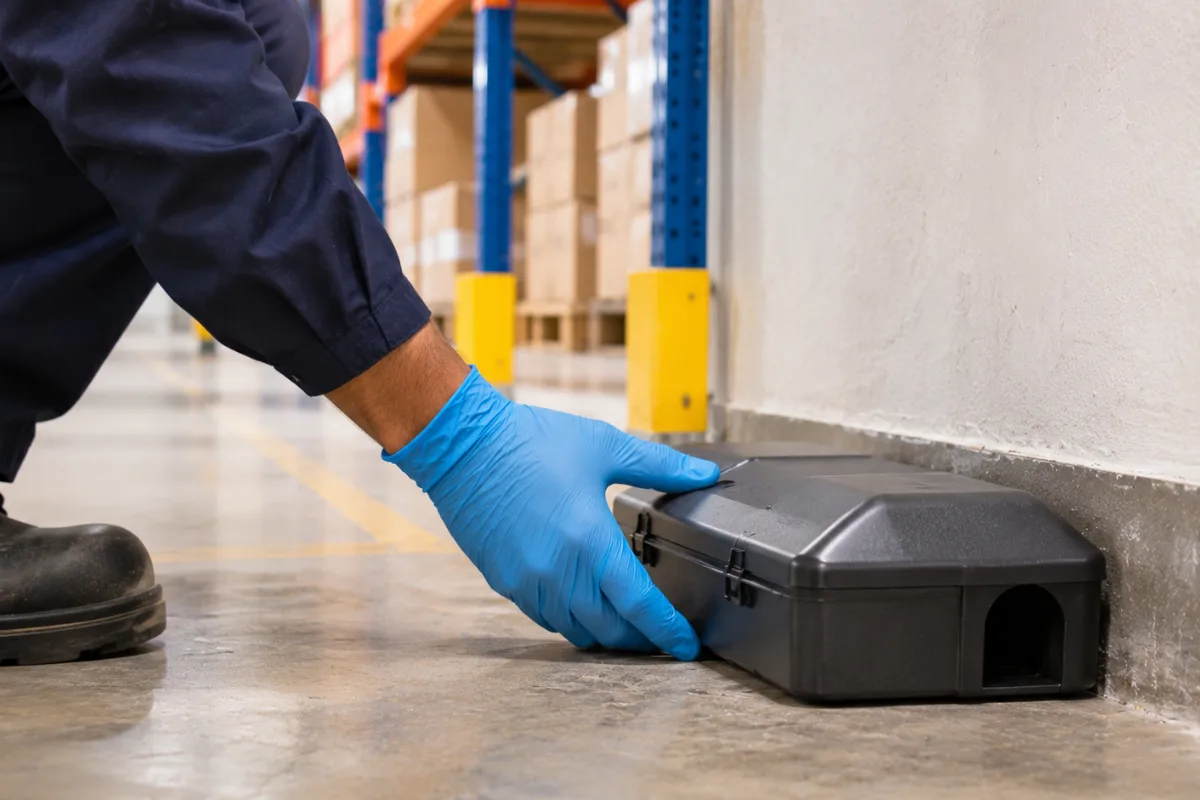
- Monitor: bait stations, glue boards and fly catchers placed on a map and checked regularly.
- Treat when needed: targeted, approved treatments rather than routine blanket spraying.
2. Choose a qualified operator
Hire a pest control operator that uses insecticides registered in India and follows label instructions, with trained technicians and proper safety equipment. Ask for the treatment plan, chemicals list with safety data sheets, service frequency and emergency response time.
3. Food businesses have extra duties
Food businesses licensed or registered under FSSAI are expected to maintain hygiene and pest control as part of their food safety practices. Keep a pest control schedule, service reports and bait station maps ready for inspections and audits.
4. Termite protection for buildings
For new construction, anti-termite treatment of the soil is commonly done before laying the foundation and floors. Existing buildings may need post-construction treatment. Our infrastructure team explains construction-stage planning in its ATTPL Infra guides.
5. Keep records and review
Maintain a simple logbook: service dates, areas treated, findings and corrective actions. Review trends monthly with your housekeeping and maintenance teams. Pest control works best alongside good facility practices — see facility management: in-house vs outsourced and our AMC guide. For integrated facility services, contact ATTPL.
Frequently asked questions
How often should commercial premises get pest control?
It depends on the business type and risk. Food businesses often need monthly or more frequent service; offices may need quarterly plus monitoring.
Is pest control safe for staff?
When done by trained operators using approved products as per label, with proper precautions and re-entry times, risks are minimised.
What records should a food business keep?
Service reports, treatment details, bait station maps and corrective actions.
This article is general information, not legal advice. Requirements vary by state and situation; consult a qualified professional.